
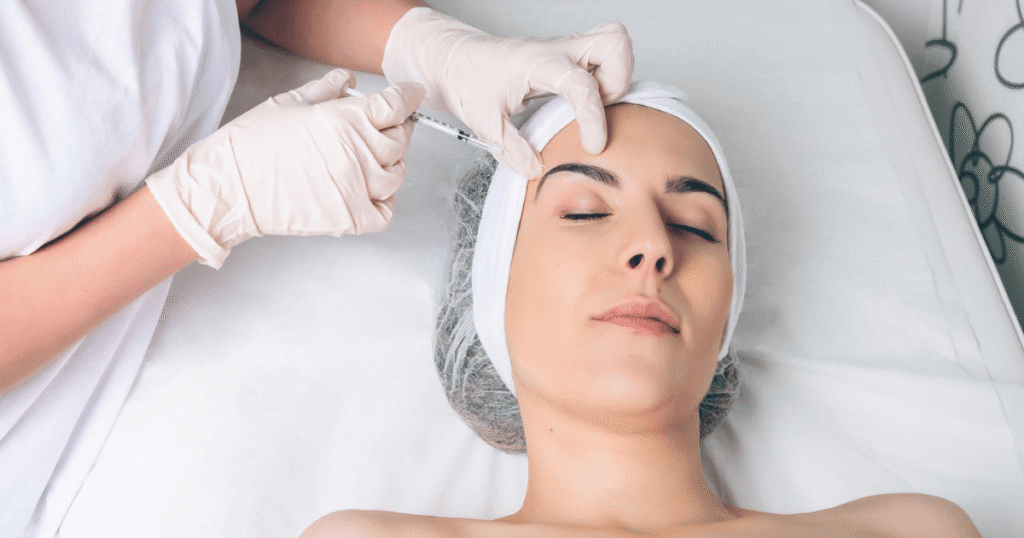
Does tear trough filler hurt as much as people fear? Most patients, once they are in the chair, say it was far more comfortable than they expected.
Tear trough filler is a non-surgical treatment that uses hyaluronic acid injections to restore volume beneath the eyes, reducing hollowness and dark circles. With topical numbing cream and the right injection technique, most patients experience mild pressure rather than pain. The procedure typically takes under 30 minutes.
The under-eye area is delicate, and it is completely normal to feel nervous. But discomfort levels depend heavily on the technique used, the numbing protocol, and the skill of your practitioner.
At Deep Aesthetics, we perform tear trough filler at our London Canary Wharf and Birmingham clinics, prioritising patient comfort at every stage of treatment.
In this blog, we’ll cover exactly what tear trough filler feels like, what numbing is used, and what to expect before, during, and after your appointment.
Does Tear Trough Filler Hurt?
Tear trough filler is not a painful procedure for most patients. The under-eye area is sensitive, but with topical numbing cream applied beforehand and the right injection technique, most people describe the sensation as mild pressure or a brief sting. Discomfort is typically minimal and short-lived.
That said, pain is subjective. Some patients feel very little. Others find the area more sensitive than they expected. What matters most is the numbing protocol your practitioner uses and the technique they choose.
The honest answer? Most patients are surprised by how manageable it is.
Why the Under-Eye Area Feels Different to Other Filler Sites

The skin beneath the eye is the thinnest on the entire face, roughly 0.5mm compared to 2mm on the cheeks. There is very little tissue between the surface and the underlying bone, and the area contains a higher concentration of nerve endings than most other filler sites.
This does not mean tear trough filler is painful. But it does mean the sensation feels different from, say, cheek or jawline filler. You are more likely to feel pressure, a slight ache near the bone, or a mild stinging sensation during the injection.
And because the area is so close to the eye, some patients feel an involuntary urge to blink or tear up. That is a normal nerve response, not a sign that something is wrong.
How Does Tear Trough Filler Compare to Lip Filler for Pain?
Most patients who have had both say lip filler hurts more. The lips are highly vascular and packed with nerve endings. Tear trough filler, when performed with a cannula and proper numbing, tends to produce less sharp sensation than a lip injection.
The under-eye area feels more like a dull pressure than a sharp sting. Lips tend to sting more acutely, especially at the vermillion border. So if you have had lip filler and managed it fine, tear trough filler is unlikely to catch you off guard.
Needle vs Cannula: Which Technique Hurts Less?
This is the part most clinics do not talk about clearly enough. The technique your practitioner uses has a bigger impact on your comfort than almost anything else.
A sharp needle creates a small puncture at the injection site and delivers filler directly. It is precise, but it also causes more localised trauma to the tissue. Multiple entry points mean more discomfort during the procedure and a higher chance of bruising afterwards.
A blunt-tipped cannula works differently. It enters through a single tiny puncture point and glides through the tissue beneath the skin. Because the tip is blunt, it pushes tissue aside rather than cutting through it. Less trauma. Fewer entry points. Noticeably less bruising.
Research in aesthetic medicine shows that blunt-tip microcannula injections cause less tissue trauma than needle injections, resulting in reduced bruising and faster recovery times for patients. Less bruising almost always means less post-treatment tenderness too.
Which Technique Does Deep Aesthetics Use?
At Deep Aesthetics, we assess each patient individually before deciding on technique. For tear trough filler, we use a cannula approach wherever clinically appropriate, as this minimises trauma to the delicate under-eye tissue and reduces recovery time. We discuss technique with every patient during the consultation so you know exactly what to expect before we begin.
What Numbing Is Used for Tear Trough Filler?
Two layers of numbing work together during tear trough filler. The first is a topical numbing cream, applied to the skin around 20 to 30 minutes before the procedure begins. This dulls surface sensation and makes the initial entry point far more comfortable.
The second layer comes from the filler itself. Most high-quality hyaluronic acid fillers used in the tear trough area, including products like Teosyal Redensity II, contain lidocaine, a local anaesthetic mixed directly into the filler. As the product is placed, the lidocaine works into the surrounding tissue, reducing discomfort progressively through the procedure.
By the time the practitioner is placing the bulk of the filler, most patients feel very little.
Does Numbing Cream Fully Work on the Under-Eye Area?
Topical numbing cream works well on the surface, but the under-eye skin is thin enough that deeper sensation can still come through. This is why the lidocaine in the filler is important. Surface numbing alone does not eliminate all sensation, but it significantly reduces the sharpness of the initial entry point.
Some patients with higher pain sensitivity ask about additional numbing options. This is something to raise during your consultation. A good practitioner will always work with your comfort level, not against it.
What Does the Tear Trough Filler Procedure Feel Like, Step by Step?

Picture this. You arrive at the clinic, sit in a reclining chair, and a numbing cream is applied beneath both eyes. You wait around 20 to 30 minutes while it takes effect. Most patients spend this time on their phone or just relaxing.
When the practitioner begins, the first thing you feel is a small pinch at the cannula entry point. This is the sharpest moment of the entire procedure, and it lasts less than a second. After that, as the cannula moves beneath the skin, the sensation shifts to a mild pressure. Not sharp. Not painful. Just an awareness that something is happening.
You may feel a slight ache near the orbital bone. Some patients feel nothing at all by this point, as the lidocaine in the filler has started to work. The practitioner works methodically beneath each eye, and the whole treatment takes well under 30 minutes from first touch to finish.
Most patients sit up at the end and say some version of “that was it?”
How Long Does the Procedure Take?
The injection process itself takes around 15 to 20 minutes. With numbing time included, plan for a 45 to 60 minute appointment in total. At Deep Aesthetics, we include a pre-treatment assessment and a post-treatment review within the same appointment, so you leave with a clear picture of what to expect over the coming days. To book, visit our tear trough filler page for London Canary Wharf and Birmingham appointments.
Pain After Tear Trough Filler: What to Expect
The procedure itself is one thing. The hours after are a different experience.
Once the numbing wears off, usually within an hour or two of leaving the clinic, you may notice some tenderness around the treated area. It is not sharp pain. It feels more like mild bruising, a sensitivity when you press the skin or when your pillow touches your face at night.
Swelling is common in the first 24 to 48 hours, particularly in the morning when fluid pools overnight. This is temporary and not a sign that anything has gone wrong.
How Long Does Discomfort Last After Tear Trough Filler?
For most patients, tenderness resolves within 3 to 5 days. Swelling typically peaks at 48 hours and then gradually settles. Any bruising, if present, usually fades within 5 to 7 days. By day 10, the vast majority of patients have no residual discomfort at all.
For a full picture of what tear trough filler costs in the UK, including what is included in our appointment price, read our dedicated cost guide.
When Should You Be Concerned?
Pain that worsens significantly after the first 48 hours, skin that turns white or develops a blueish mottled appearance, or any changes to your vision should be assessed by your practitioner immediately. These are rare but serious signals. For a full breakdown of risks and how we manage them, read our guide on tear trough filler safety.
IMPORTANT MEDICAL NOTE: This blog post is for educational purposes only. It is not medical advice. Always consult your doctor or qualified practitioner before treatment, especially if you take medications or have health conditions. If you experience severe pain, vision changes, or signs of infection after treatment, seek immediate medical attention. Everything else stays the same.
Tips to Reduce Discomfort Before and After Treatment
A few simple steps make a real difference to how comfortable your experience is.
Before your appointment:
- Avoid blood-thinning medications such as ibuprofen and aspirin for at least 48 hours before treatment, as these increase bruising risk. Always check with your GP before stopping any prescribed medication.
- Avoid alcohol for 24 hours before your appointment. Alcohol thins the blood and makes bruising significantly more likely.
- Come to your appointment well hydrated. Hydrated tissue responds better to filler and tends to bruise less.
After your appointment:
- Apply a cold compress or wrapped ice pack to the area for 10 minutes at a time in the first few hours. This reduces swelling and soothes any tenderness.
- Sleep with your head slightly elevated for the first two nights. This reduces morning swelling.
- Apply arnica gel or take arnica tablets, a natural remedy widely used to reduce bruising. Many practitioners recommend starting arnica two days before treatment for best results.
- Avoid strenuous exercise, saunas, and steam rooms for 48 hours after treatment. Heat and increased blood pressure can worsen swelling.
The CQC sets standards for safe aesthetic practice in the UK. Deep Aesthetics is CQC-regulated and registered. Always choose a practitioner working within a regulated environment.
FAQ
Question: Does tear trough filler hurt more than lip filler?
Answer: For most patients, no. Lip filler tends to produce a sharper stinging sensation, particularly along the lip border. Tear trough filler, when performed with a cannula and proper numbing, typically feels like mild pressure rather than sharp pain. If you have tolerated lip filler, tear trough filler is unlikely to feel worse.
Question: What does tear trough filler feel like during the procedure?
Answer: Most patients describe a small pinch at the cannula entry point, followed by a sensation of mild pressure as the filler is placed. The lidocaine in the filler gradually numbs the area as the treatment progresses. By the midpoint of the procedure, most patients feel very little.
Question: How long does pain last after tear trough filler?
Answer: Tenderness typically resolves within 3 to 5 days. Swelling peaks at around 48 hours and then gradually settles. Any bruising usually fades within 5 to 7 days. By day 10, most patients have no discomfort remaining.
Question: Is a cannula less painful than a needle for tear trough filler?
Answer: Yes, in most cases. A blunt cannula enters through a single point and glides through tissue rather than puncturing it repeatedly. This causes less trauma, less bruising, and less post-treatment tenderness. A 2025 study in the British Journal of Aesthetic Medicine found microcannula injections reduced bruising by 72% compared to needle injections.
Question: Can I drive home after tear trough filler?
Answer: Yes. Tear trough filler does not affect your vision or coordination. You can drive home immediately after your appointment. Bear in mind that swelling may begin within a few hours, so some patients prefer to travel straight home rather than running errands afterwards.
Conclusion
Does tear trough filler hurt? For the vast majority of patients, no. With topical numbing cream, lidocaine-containing filler, and a cannula technique, the procedure is well-tolerated and far more comfortable than most people expect going in.
Discomfort after treatment is mild and temporary. Tenderness, light swelling, and occasional bruising are normal and settle within a week for most patients.
The biggest factor in your comfort is not your pain threshold. It is your practitioner’s technique, the numbing protocol, and the care taken throughout the procedure.
At Deep Aesthetics, we take every step to make tear trough filler as comfortable as possible, from the numbing cream we apply before we begin to the aftercare advice we give when you leave. We offer treatment at our London Canary Wharf and Birmingham clinics, and every appointment starts with a thorough consultation.
Ready to Book Your Tear Trough Filler Consultation?
At Deep Aesthetics, every journey starts with a thorough, judgment-free consultation. We’ll assess your under-eye area, discuss your goals, and explain exactly what to expect.
London Clinic: Suite 5 Scott House, Admirals Way, London E14 9UG
Birmingham Clinic: King Edwards Wharf, Sheepcote Street, Birmingham B16 8AB
Phone: +44 7476 559188, +44 7496408112
Book Free Consultation: https://calendly.com/deepaesthetics
Our practitioners prioritize your comfort and safety at every step.
